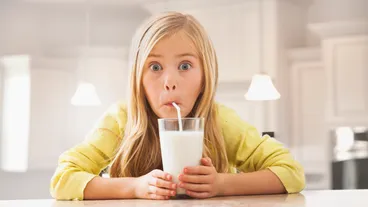
One fifteen-year-old girl shared that her father will eat the french fries off her plate while explaining that he's trying to save her from getting fat. There are so many parents who believe that they're helping their kids by constantly offering diet advice when they may be setting them up for lifelong battles with food.
Many different organizations and health experts have purposed various solutions to solve the western world's obesity epidemic. But the underlying problem to the obesity epidemic is the current population's lack of connectivity to the soil, the environment and the food supply. If we can reconnect our current population with the food supply and the community, we will create a healthier and brighter future for generations to come.
Ontario's Healthy Kids Panel recently proposed a strategy to help kids get onto a path to health. Being in nature is good for all of us. The problem is that the path doesn't lead them into nature. People who get outside regularly are less stressed, have more resilient immune systems and are generally happier. And it's good for our kids.
The judge has spoken, the ruling has been been made and our right to drink super sized, sugar loaded beverages remains intact. "The rule prohibits selling non-diet soda and some other sugary beverages in containers bigger than 16 ounces." I have no problem with the government wanting to help us get healthier, but I do have an issue with it just wanting to make us skinnier.
The idea of a fat or sugar tax in British Columbia continues to pop up like the pesky mole in that old midway game. Unfortunately, it's taxpayers -- and the provincial economy -- that would get whacked by such a tax. Supporters of such a flawed taxation policy should look to Denmark's experience for a textbook example of why it doesn't work.
Growing up I remember my mom saying this when I didn't finish my food. And by the sounds of it, others could benefit from remembering this popular idiom as well. Recently I read that the average American throws away 396 pounds of food each year, according to the Natural Resources Defense Council. This statistic doesn't surprise me.
This week, with the New Year in full swing, attention focused on that familiar January preoccupation: losing weight. Shedding excess pounds can certainly be healthy. The trouble is, in our zeal for fighting obesity, we sometimes end up taking a punitive stand that does more to marginalize and harm people who are overweight than it does to actually help them get healthier. How about taking our cues from Tiny, the formerly obese New Brunswick cat, and keeping the weight loss theme focused on small consistent steps that lead to big results?
While I personally find The Biggest Loser to be an emotionally and physically abusive, misinformative, horror show, it's clearly beloved and trusted by many. And while my personal opinions shouldn't concern you, the peer-reviewed medical literature should. Along with being taught that obesity is treatable by means of incredible amounts of vomit-inducing exercise, severe dietary restriction, and never-ending servings of guilt and shame, the medical literature suggests viewers will also be taught that failure is an obese child's personal choice.
The new iPad mini is the perfect size for my junior kindergartener. However, does a JK really warrant owning a computer? I tend to think not. Already it seems there is this mad scramble going on to ensure that our kids are equally if not more tech-savvy than their peers. There is plenty of time to hone his keypad skills but the window for developing his imagination seems to close a little every day.
The Health Check program is meant to help those going to restaurants and fast food restaurants to make better menu choices. But when you search their product list for Health Check'd vegetables there are zero. Health Check is in need of a makeover. The program needs to promote fresh fruit not fruit juice; it needs to encourage eating at home not at restaurants. Or it needs to cease and desist.
A little over a month ago I was invited to a food industry breakfast to offer my comments on how the food industry might help in improving the health of our society. Unfortunately, just three days prior to the event, I was uninvited without the courtesy of an explanation or an apology. So I decided to record my talk and post it online.