

This HuffPost Canada page is maintained as part of an online archive.
If you have questions or concerns,
please check our FAQ or
contact support@huffpost.com.
Kinder Morgan Pipeline
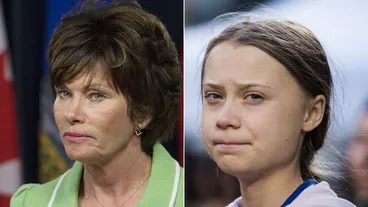
The climate activist called out Alberta’s Sonya Savage for “at least being honest” for once.

Energy Minister Sonya Savage said bans on gatherings like protests makes pipeline construction easier.

Thunberg had previously said Trudeau was "obviously not doing enough" about climate change.

The province says it needs to protect its people, land and animals from oil spills.

Indigenous rights are at stake, the UN says.
It's easy to point fingers at Ottawa, but cooperation is the best way to bridge the West-East divide.

More than 63% of voters supported parties with substantial climate change platforms.

The premier says he's not a separatist, but he will give them a platform.

Declaratory powers, constitutional powers and rule of law can be used to push projects through in the national interest.

Some things don't need too many words.